
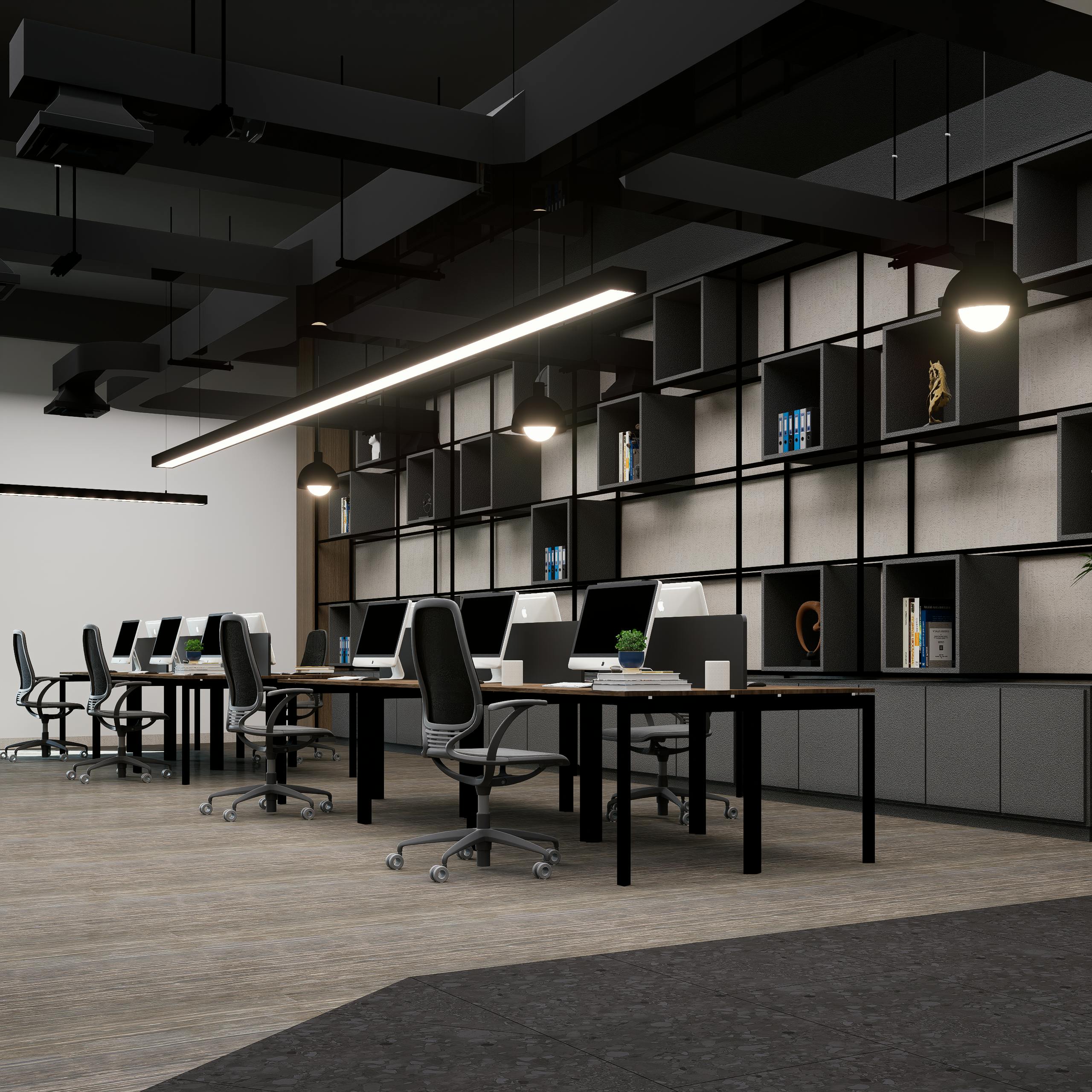
Trusted Talent. Proven Results. What’s shaping workplaces in 2026?
Office fit-out in 2026 is less about “making it look nice” and more about building spaces that perform. Landlords and occupiers are under pressure to deliver flexibility, sustainability, and a workplace experience that genuinely earns the commute. The result is a new standard of fit-out where “good enough” no longer cuts it.
Below are the key trends we’re seeing shaping office fit-out decisions this year.
1) The rise (and rise) of fitted space and Cat A+
The line between Cat A, Cat A+ and Cat B continues to blur. More landlords are delivering “plug-and-play” fitted space to reduce void periods and make leasing easier, while occupiers benefit from faster moves and fewer upfront costs.
What it means in practice:
- Faster occupation and shorter decision cycles
- Higher expectations for landlord-delivered finishes and tech readiness
- More emphasis on adaptable layouts that can evolve without major rework
2) Design for hybrid is now design for purpose
Hybrid working is no longer a theory. Fit-outs are being built around what the office is for: collaboration, culture, client engagement, onboarding, and focused work that needs the right environment.
You’ll see more intentional zoning and variety:
- Collaboration hubs and project rooms
- Quiet focus areas and phone booths
- Flexible touchdown and neighbourhood seating
- Bookable rooms with better acoustics for video calls
3) Acoustic performance becomes a “must have”
As video calls remain dominant and teams mix in-office and remote collaboration, acoustics has moved from “nice to have” to a top workplace requirement.
Expect more investment in:
- Acoustic pods and booths
- Sound-absorbing finishes
- Better room planning to reduce noise transfer
- More private settings for calls and concentration
4) Smart workplaces, but quietly integrated
In 2026, “smart” is less about flashy gadgets and more about systems that reduce friction and improve comfort. AI-enabled building management and sensor-driven environments are increasingly used to optimise:
- HVAC and ventilation based on occupancy
- Lighting that adapts by zone and use
- Space booking and utilisation insights
The best fit-outs make the tech feel invisible. It simply works.
5) Circular economy fit-out: design for reuse, not landfill
Sustainability is evolving from a materials checklist to a circular approach. Clients are asking harder questions at brief stage: what can be reused, repaired, reconfigured, and eventually recovered?
Circular design is showing up through:
- Reuse of furniture, partitions, and finishes
- Modular systems built to move and change
- Procurement choices that support repairability and end-of-life recovery
6) Retrofit-first thinking
More organisations are prioritising refurbishment and retrofit over move-and-build, driven by cost, ESG targets, and the reality of operational carbon. Industry guidance continues to push the case for commercial retrofit to close the gap towards net zero.
7) Wellbeing is measured, not marketed
Wellbeing is no longer a vague promise. Occupiers increasingly align workplace design with recognised frameworks like WELL and BREEAM Refurbishment & Fit Out, focusing on health outcomes and workplace experience.
In practice this shows up as:
- Better air quality and ventilation strategies
- Lighting design that supports comfort and focus
- Ergonomics and inclusive design considerations
- Spaces that support decompression and recovery, not just productivity
8) The office becomes a brand experience
Fit-out is increasingly used as a tool to attract and retain talent. Workplace design is being asked to communicate brand, values, and culture immediately, from arrival to meeting spaces to social areas. The BCO’s updated fit-out guidance explicitly positions office interiors as part of creating productive, healthy workplaces in response to evolving work trends and environmental demands.
Final thought: Fit-out is moving faster, and expectations are higher
In 2026, the winning workplaces are flexible, sustainable, tech-ready, and genuinely human. The best outcomes happen when occupiers align design, delivery, and people strategy early.
If you’re planning a move, refurb, or expansion, the question isn’t “what looks good?” It’s “what performs, and what lasts?”

Let us connect you with the best
Whether you’re hiring or looking for your next career move,
Trusted Supply is your go-to partner for recruitment that works in the Built Enviornment.